Category: Science
-
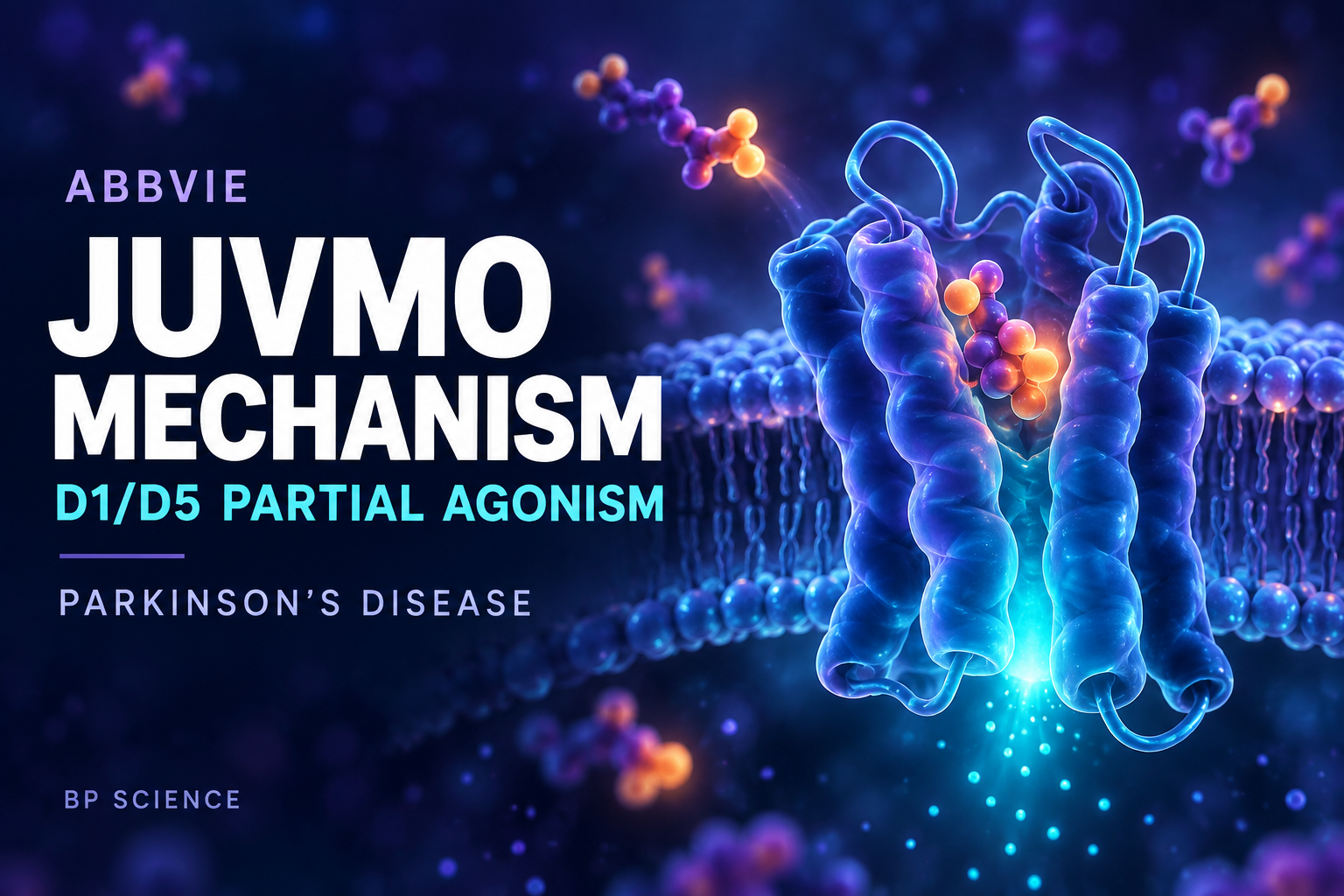
AbbVie Juvmo Mechanism: D1/D5 Partial Agonism in Parkinson’s Disease
Juvmo partially activates D1/D5 receptors and re-engages Gαolf/Gs–AC5–cAMP–PKA–DARPP-32 signaling in Parkinson’s disease. The therapy improves symptomatic motor signaling without restoring dopamine production or lost dopaminergic neurons.
-

Merck’s Remigromig Mechanism: FZD4–LRP5 Wnt Signaling in Diabetic Macular Edema
Remigromig clusters FZD4 and LRP5 to stabilize β-catenin and support CLDN5-dependent tight junctions and MFSD2A-mediated suppression of endothelial transcytosis.
-
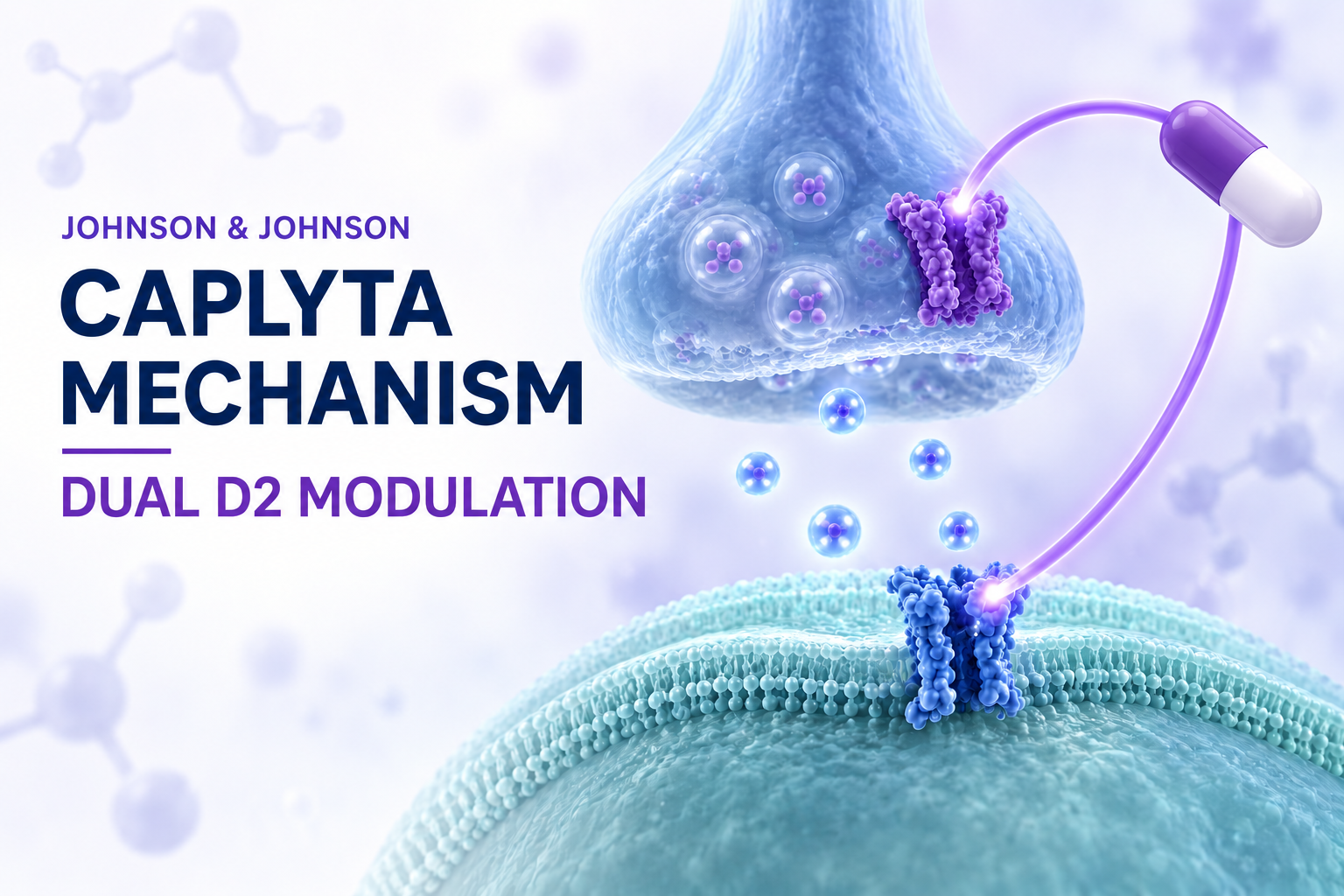
CAPLYTA Mechanism in Bipolar Mania: Dual D2 Modulation
CAPLYTA’s exact therapeutic mechanism remains unresolved, but its proposed pharmacology combines strong serotonin 5-HT2A antagonism with distinct presynaptic and postsynaptic dopamine D2 effects. This BP Science analysis examines how that profile may regulate dopamine signaling and differ from competing antipsychotics.
-
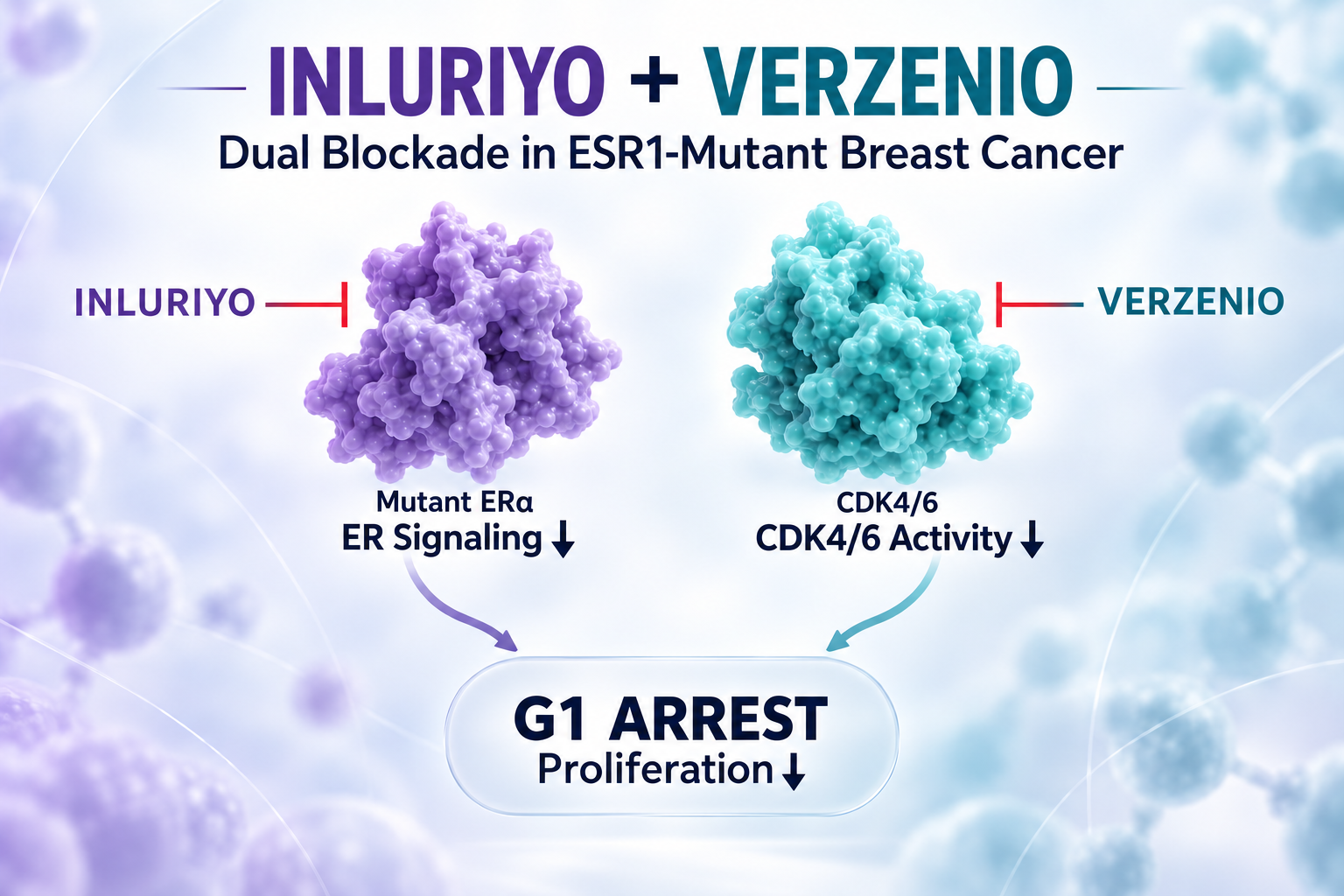
How Inluriyo and Verzenio Deliver Dual Blockade in ESR1-Mutated Breast Cancer
Inluriyo and Verzenio target two connected drivers of ESR1-mutated breast cancer. Inluriyo degrades estrogen receptor alpha to suppress estrogen-dependent transcription, while Verzenio inhibits CDK4/6 to block downstream cell-cycle progression.
-
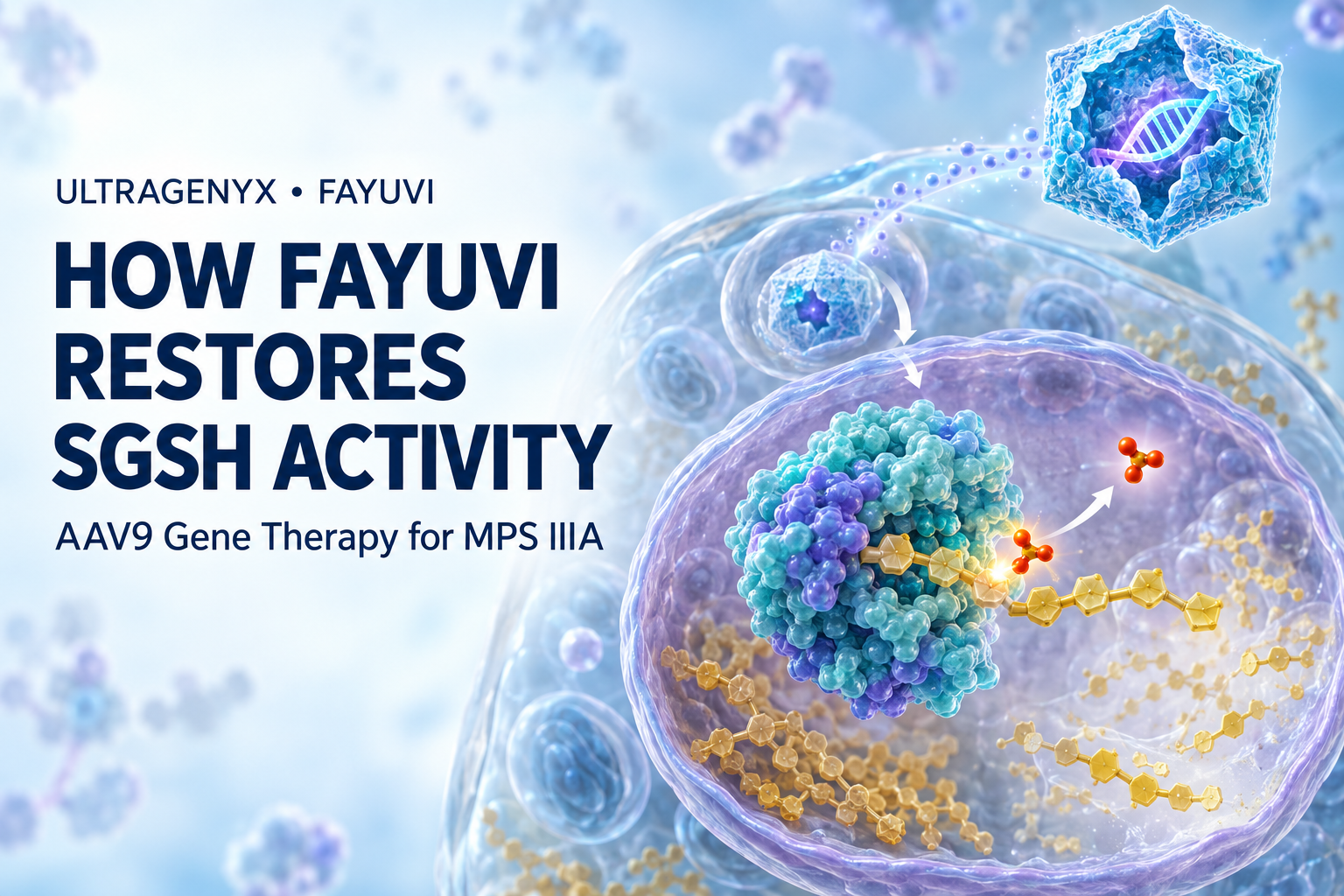
How Fayuvi Restores Lysosomal Heparan Sulfate Degradation in MPS IIIA
Fayuvi uses systemic AAV9 delivery to restore SGSH expression, reduce lysosomal heparan sulfate accumulation and support cross-correction in MPS IIIA.
-

How SKY-0515 Uses RNA Splicing to Lower HTT and PMS1
SKY-0515 modifies RNA splicing to lower full-length huntingtin and PMS1, potentially addressing both toxic-protein production and somatic CAG-repeat expansion.
-
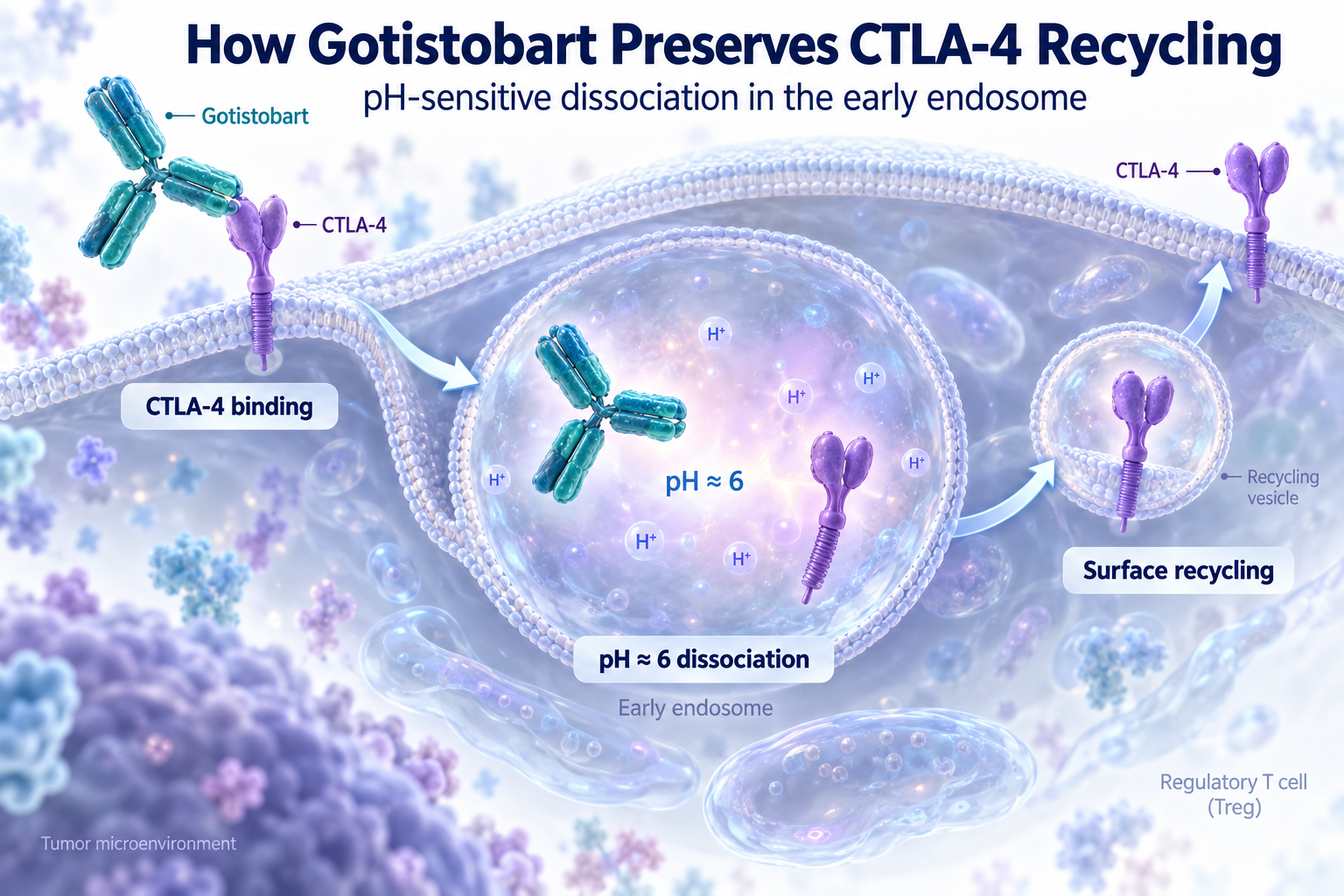
How Gotistobart Preserves CTLA-4 Recycling
Gotistobart uses pH-sensitive CTLA-4 binding to preserve receptor recycling, differentiating its intracellular trafficking from conventional pH-insensitive anti-CTLA-4 antibodies.
-

How Jideytro Blocks ROS1 Fusion Signaling in Lung Cancer
Jideytro is a brain-penetrant, TRK-sparing macrocyclic inhibitor designed to block ROS1 fusion signaling and resistant variants such as G2032R.
-

How Qulipta Blocks CGRP Signaling During the Menstrual Migraine Window
Estrogen withdrawal can increase migraine susceptibility around menstruation. Qulipta does not alter hormone levels; it blocks downstream CGRP receptor signaling during this predictable risk window.
-

How Isembyld Releases the Muscle-Growth Brake in Spinal Muscular Atrophy
SMA begins with SMN deficiency and motor-neuron loss, but muscle weakness can persist after SMN-directed treatment. Isembyld targets this downstream component by preventing myostatin activation.