Tag: technology
-
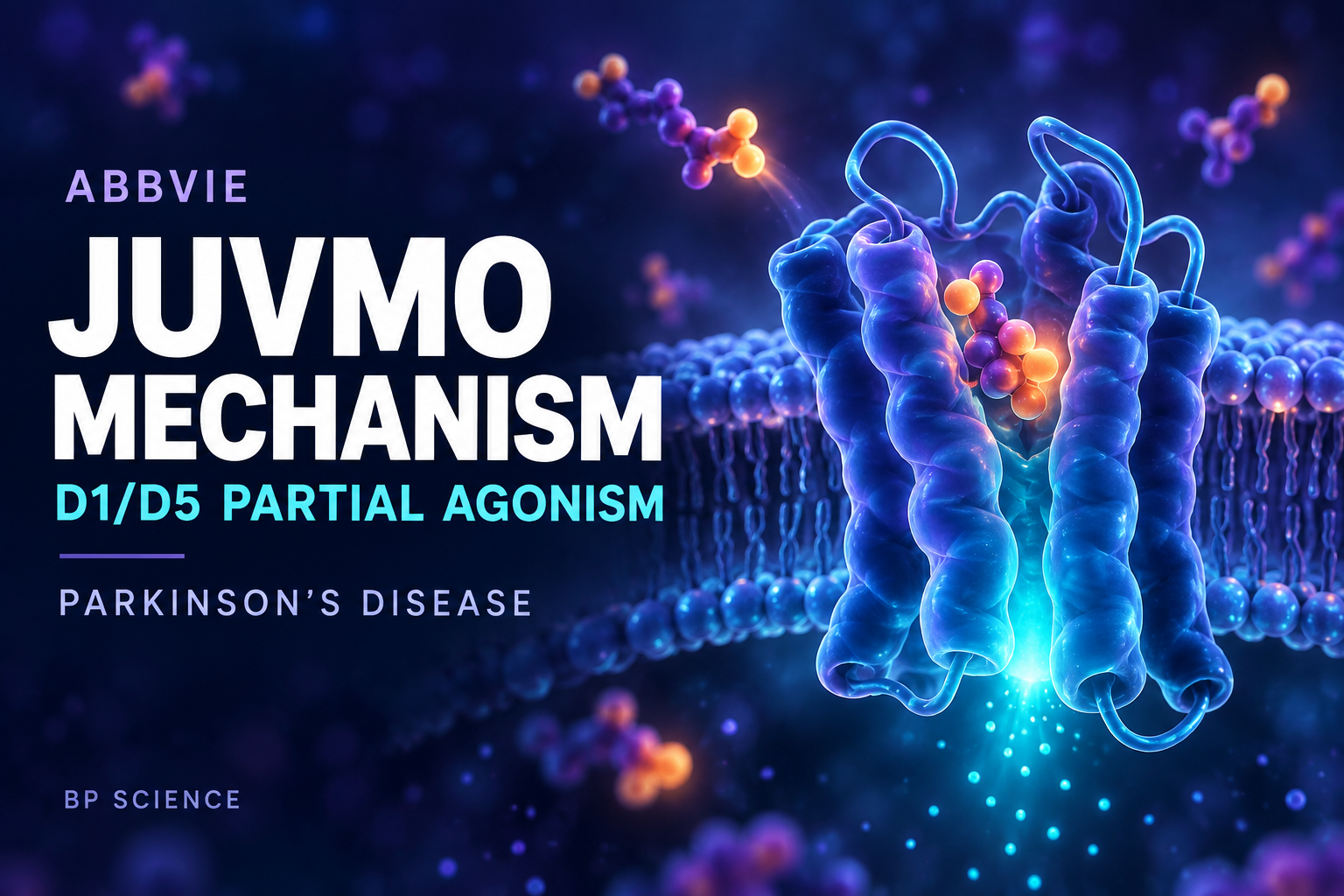
AbbVie Juvmo Mechanism: D1/D5 Partial Agonism in Parkinson’s Disease
Juvmo partially activates D1/D5 receptors and re-engages Gαolf/Gs–AC5–cAMP–PKA–DARPP-32 signaling in Parkinson’s disease. The therapy improves symptomatic motor signaling without restoring dopamine production or lost dopaminergic neurons.
-

Merck’s Remigromig Mechanism: FZD4–LRP5 Wnt Signaling in Diabetic Macular Edema
Remigromig clusters FZD4 and LRP5 to stabilize β-catenin and support CLDN5-dependent tight junctions and MFSD2A-mediated suppression of endothelial transcytosis.
-

J&J’s CAPLYTA Meets Phase 3 Trial Goal in Bipolar Mania
Johnson & Johnson’s CAPLYTA met the primary endpoint in Phase 3 Study 451, producing a 4.8-point greater reduction in manic symptoms versus placebo and significant improvement from Day 3. Results from the second pivotal study remain under analysis.
-
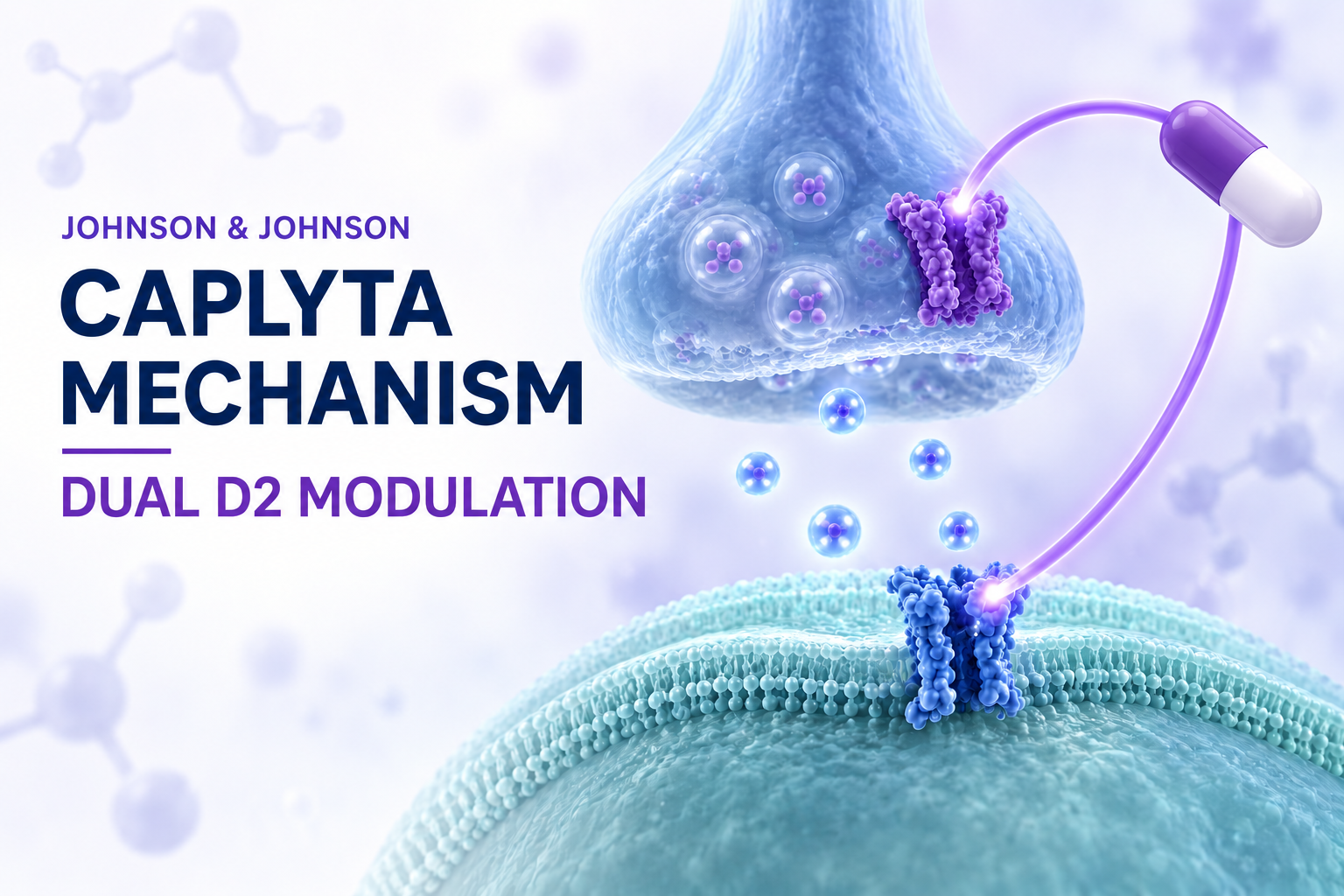
CAPLYTA Mechanism in Bipolar Mania: Dual D2 Modulation
CAPLYTA’s exact therapeutic mechanism remains unresolved, but its proposed pharmacology combines strong serotonin 5-HT2A antagonism with distinct presynaptic and postsynaptic dopamine D2 effects. This BP Science analysis examines how that profile may regulate dopamine signaling and differ from competing antipsychotics.
-
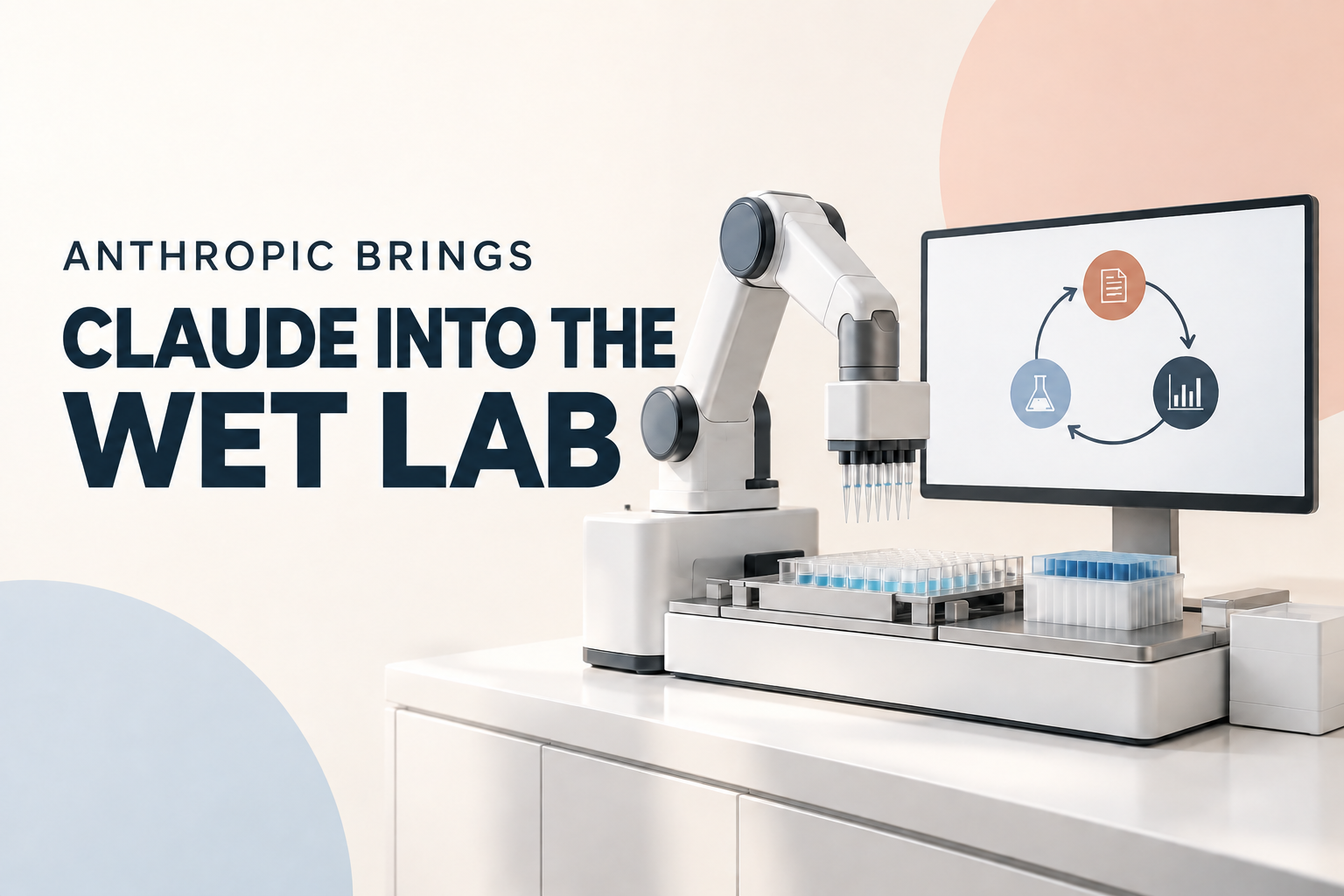
Anthropic Opens Wet Lab to Test Claude in Biology Experiments
Anthropic has opened a Bay Area wet lab to test how Claude and the Model Hardware Standard can connect AI reasoning with physical biology experiments.
-

Eli Lilly’s Inluriyo–Verzenio Combination Wins FDA Approval in ESR1-Mutated Breast Cancer
The FDA approved Eli Lilly’s Inluriyo plus Verzenio for adults with ER-positive, HER2-negative, ESR1-mutated advanced or metastatic breast cancer after endocrine therapy. In an exploratory EMBER-3 analysis, median progression-free survival was 11.1 months with the combination versus 5.5 months with Inluriyo alone.
-
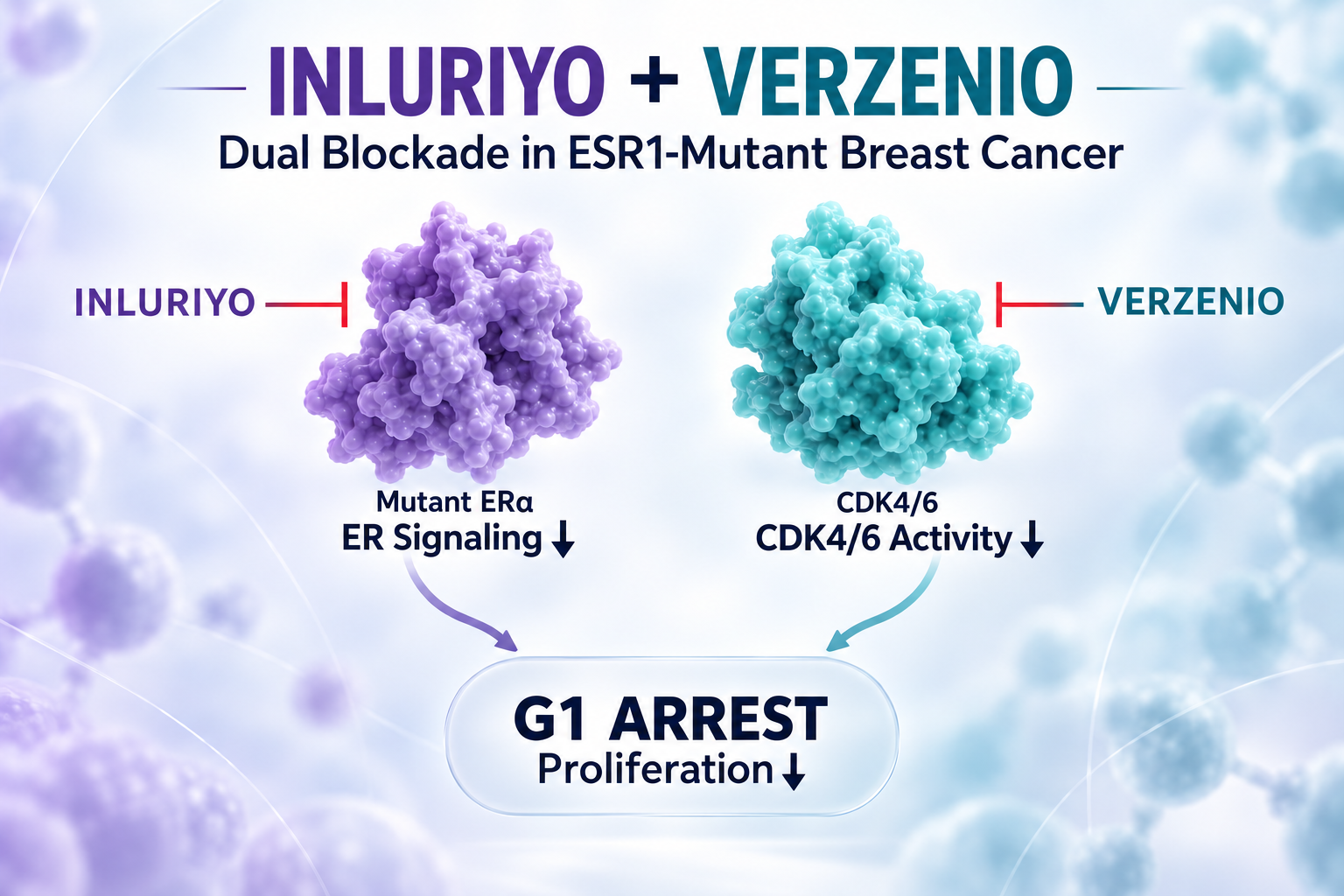
How Inluriyo and Verzenio Deliver Dual Blockade in ESR1-Mutated Breast Cancer
Inluriyo and Verzenio target two connected drivers of ESR1-mutated breast cancer. Inluriyo degrades estrogen receptor alpha to suppress estrogen-dependent transcription, while Verzenio inhibits CDK4/6 to block downstream cell-cycle progression.
-

Ultragenyx’s Fayuvi Wins FDA Approval as the First Treatment for Sanfilippo Syndrome Type A
The FDA approved Ultragenyx’s Fayuvi as the first treatment for pediatric MPS IIIA, supported by a 23.5-point cognitive treatment effect.
-
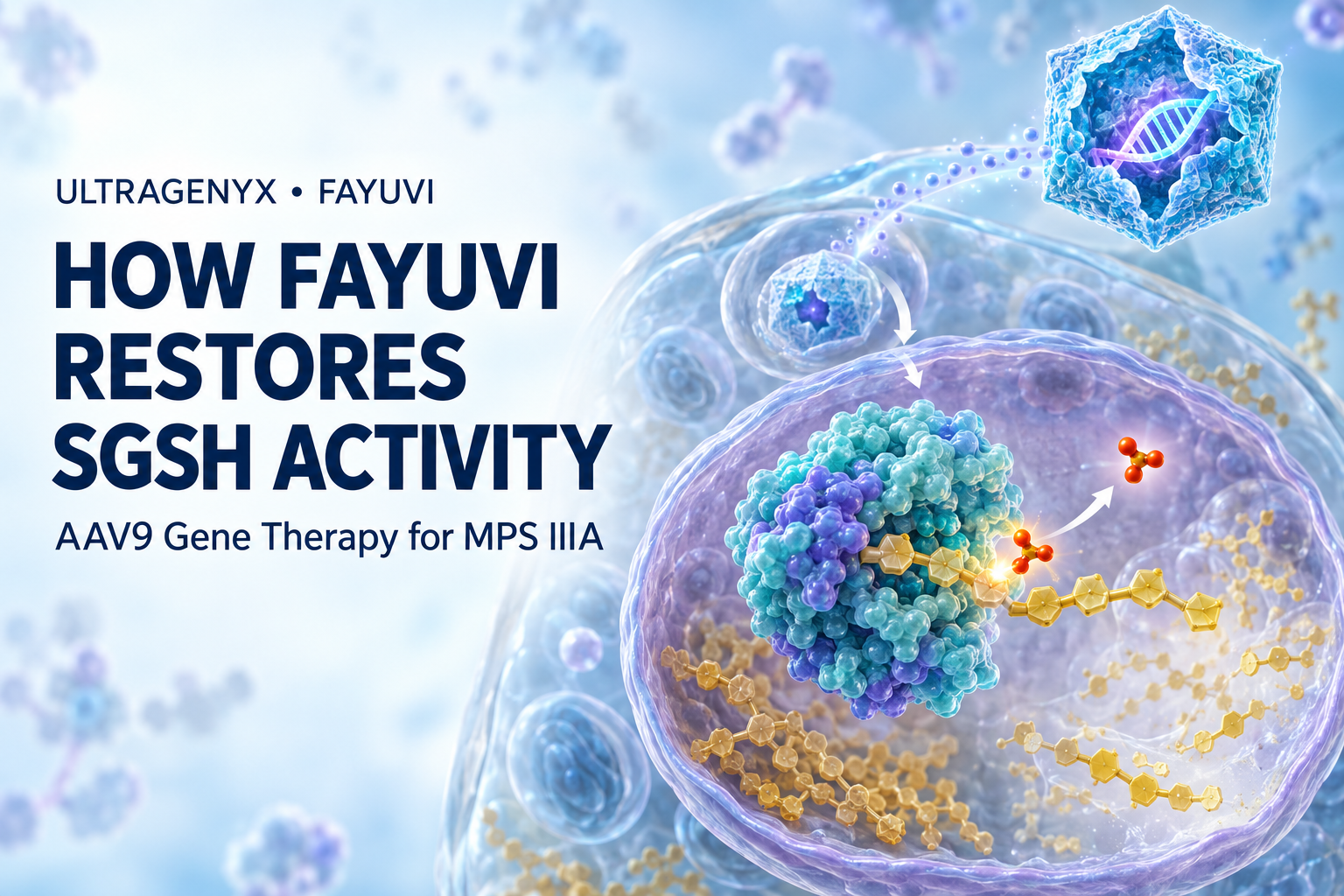
How Fayuvi Restores Lysosomal Heparan Sulfate Degradation in MPS IIIA
Fayuvi uses systemic AAV9 delivery to restore SGSH expression, reduce lysosomal heparan sulfate accumulation and support cross-correction in MPS IIIA.
-

Skyhawk’s SKY-0515 Posts 1.59-Point cUHDRS Advantage at 15 Months
Skyhawk’s SKY-0515 showed a 1.59-point cUHDRS advantage over an external control at Month 15, alongside sustained reductions in mutant huntingtin and PMS1 messenger RNA.